 KERST & CADEAU'S
  FUNKO POP!
 ANIME & MANGA
 MOVIES & TV
 COLLECTIBLES
 Gaming
 Wishlist
 SPECIALE SECTIES


 4,6
4,6
Ritual Toys Through the Ages – From Ancient Traditions to Modern Collectibles
Short Introduction
“Ritual toys” combine play and symbolism. In various cultures, dolls, figures, and miniatures were used in education, rituals, and as carriers of stories. This article provides an objective context in Africa, among the Inca, and in Oceania, and builds a bridge to contemporary collectibles.
Historical Context
Africa (Ashanti/Asante – West Africa): the Akua’ba doll was associated with fertility and well-being. Due to its stylised form – round head, long neck, slender torso – it served both as an educational symbol and as a mnemonic within the community.
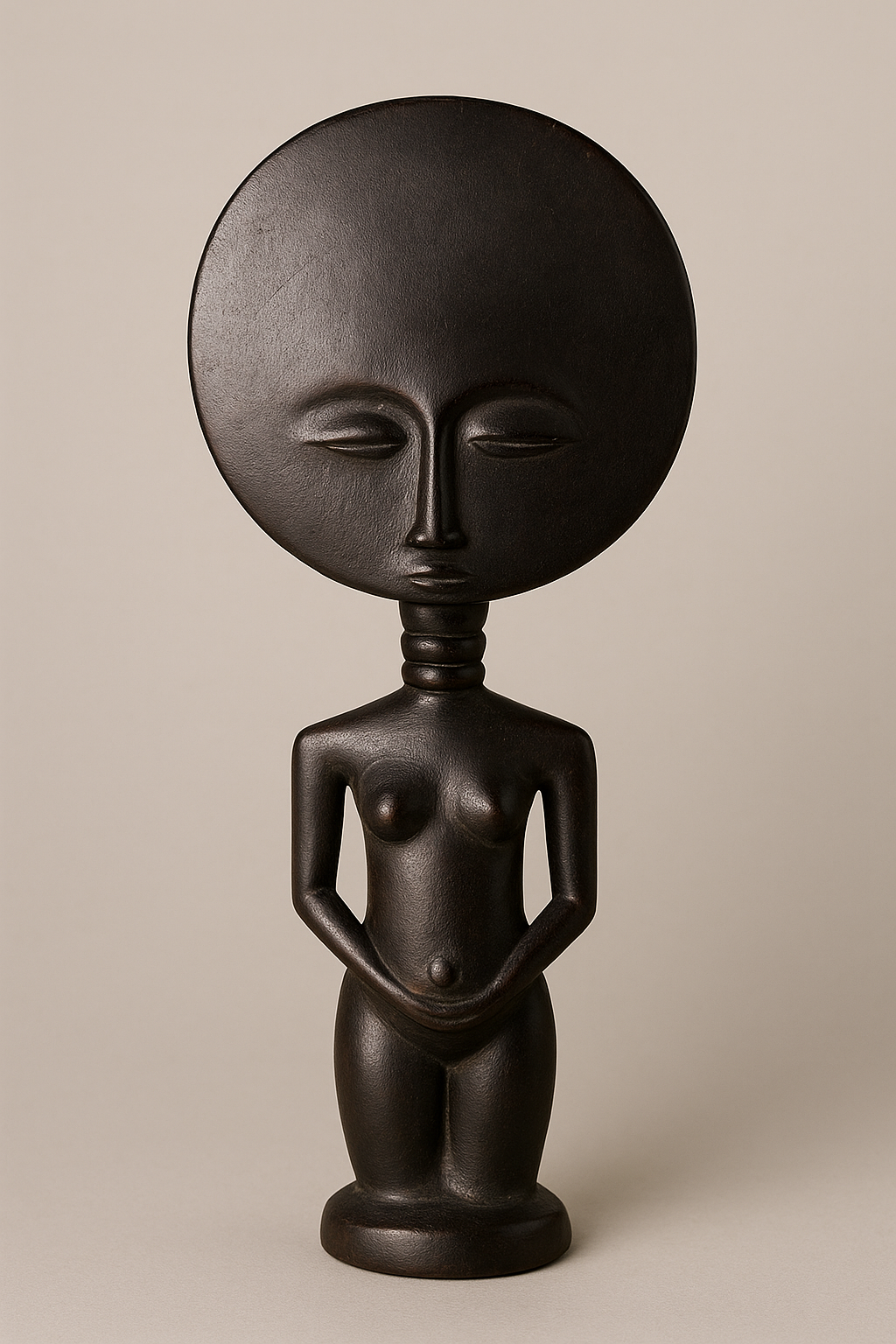
Africa – Akua’ba (Ghana)
Inca (Andes): miniatures and household models helped to transmit tasks and rituals. Ceramic aryballos (storage jars) were not toys, but scaled-down representations gained an educational or symbolic role in daily life.
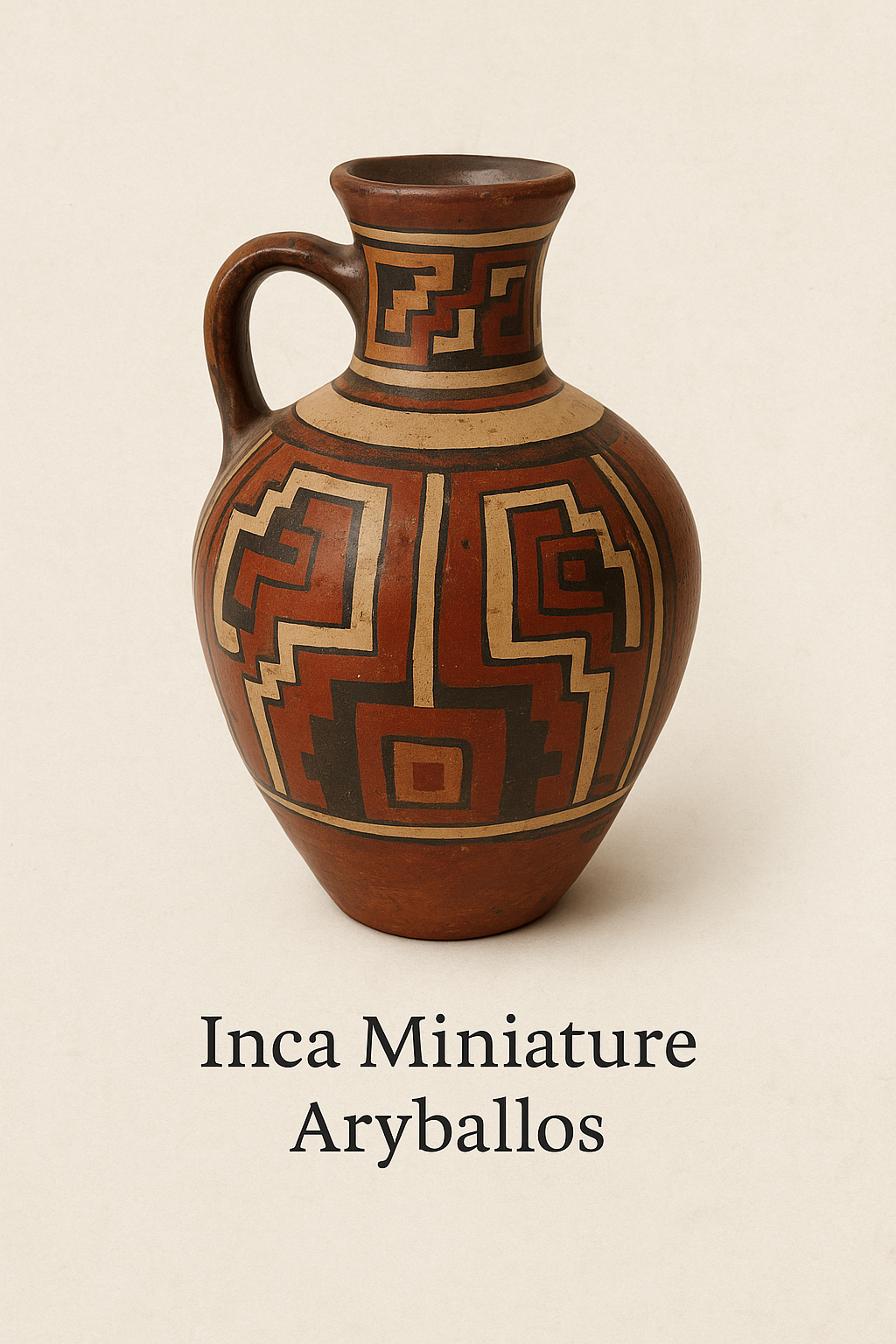
Miniature aryballos
Oceania (Polynesia): tiki figures and small wood carvings represented ancestors or protectors. In a domestic context, small objects could merge play, memory, and ritual.
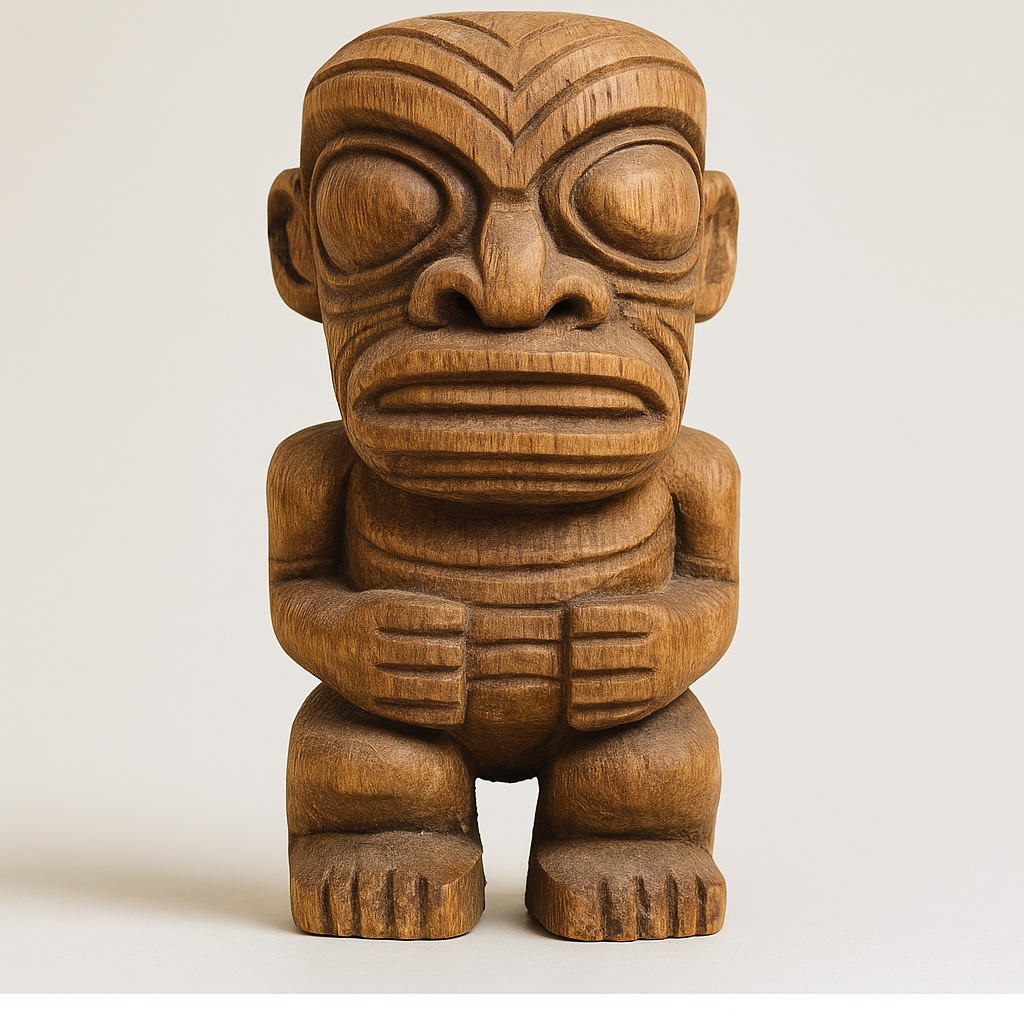
Polynesian wooden tiki figure – symbol of ancestor veneration and protection
Collectible Value & Modern Translation
Today, “ritual” takes on a new form in fan and collector culture: dedicated display spots, seasonal setups, unboxing moments, and the sharing of stories. Modern items – from figures and replicas to props – thus become symbolic anchors of identity, memory, and taste.
Iconic Examples (Contemporary Collectibles)
- Dragon Ball Z – Shenron statue (wish motif; often the centrepiece of displays)
- Studio Ghibli – Totoro figure (comfort/protection; “good luck charm” in interiors)
- Demon Slayer – Nichirin Katana prop (discipline & training; cosplay and display)
- The Legend of Zelda – Master Sword replica (hero’s journey/initiation; altar-like presentation)
- Naruto – headband collectible (clan/identity; visible at fan gatherings)
Cultural Nuance & Ethics
When displaying or using ritual objects in a modern context, respect is essential. Avoid caricatures and ensure correct representation: what may seem like a toy to one community can hold sacred meaning for another. Transparent sourcing and context help prevent misunderstandings and cultural appropriation.
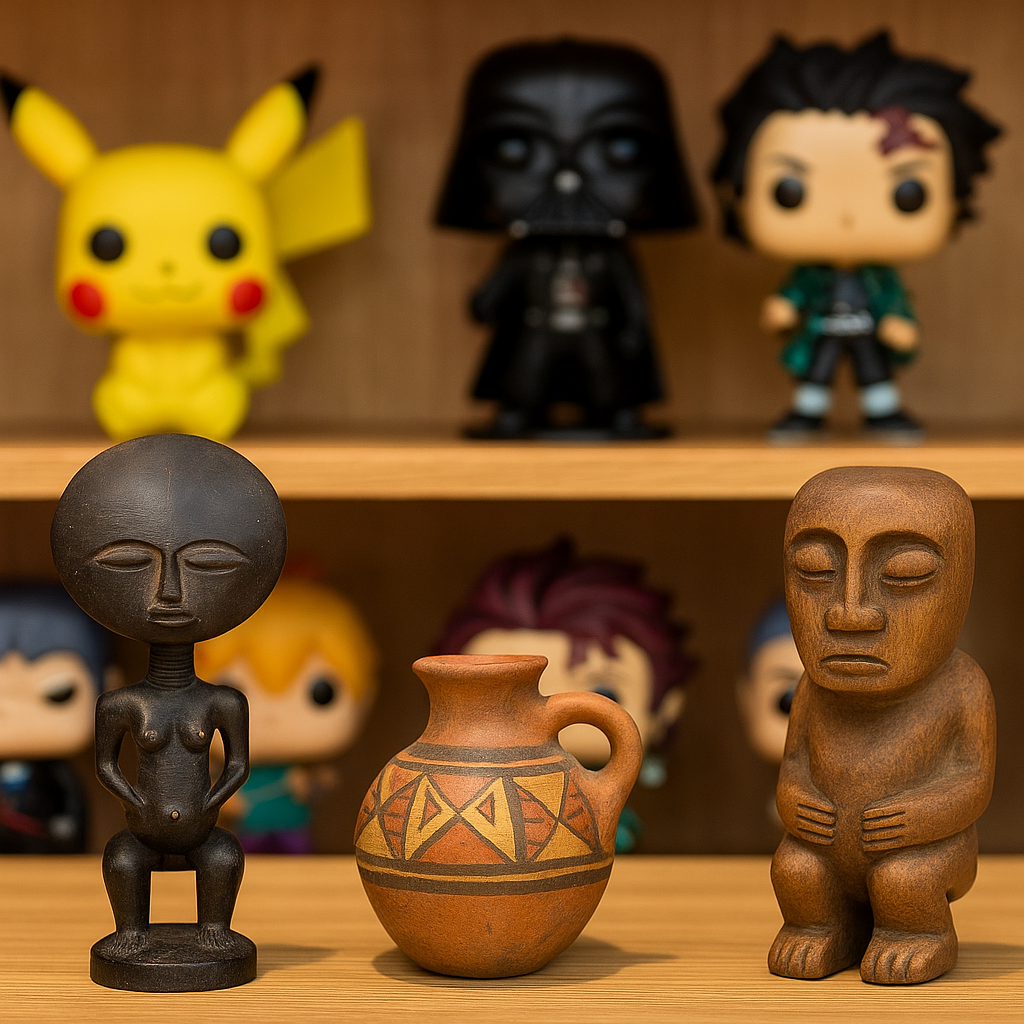
From ritual objects of antiquity to today’s collectibles and toys – the passion for meaningful playthings continues through the ages.
Conclusion
Ritual toys show how play and symbolism strengthen each other in education, rituals, and memory. Today’s collector culture continues that tradition with objects that carry stories and shape identity. Thus, a continuum emerges: from heritage to modern collectibles – always with meaning, emotion, and experience.


